Health TipsAug 28, 2026
Why we keep calling after the outbreak teams leave
by TAZhealth Team
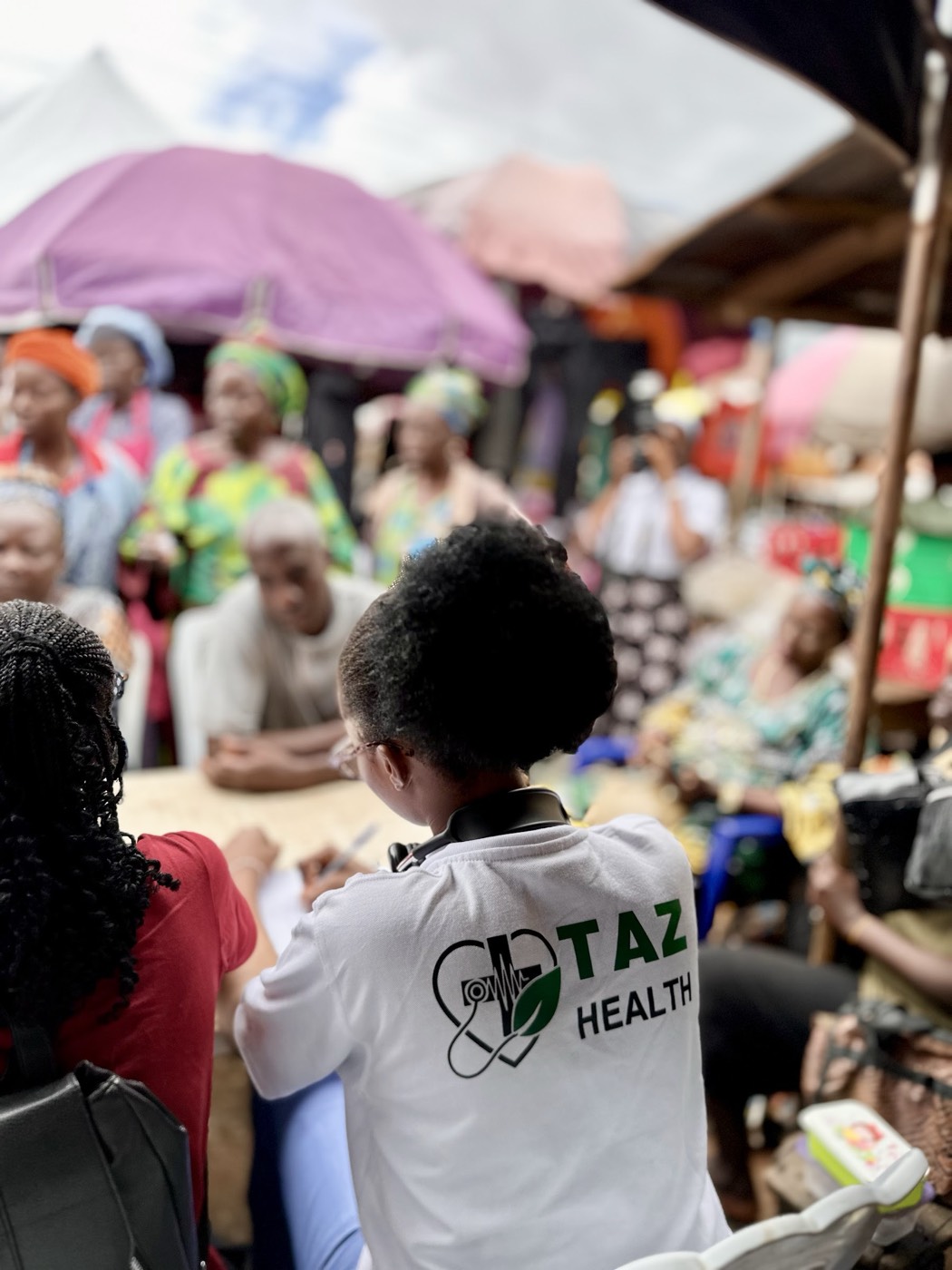
An outbreak ending is not the same as the problem disappearing. Follow-up is how we know a community is truly safe.
When an outbreak is declared, communities often see an immediate response. Healthcare workers arrive, surveillance teams investigate cases, health education campaigns increase, and testing and treatment are stepped up. This is how people become more aware of the disease and how it spreads. Eventually, the outbreak response team leaves, but the disease doesn’t necessarily leave with them.
This is why public health workers continue to call, monitor and follow up even after the headlines disappear.
An outbreak ending is not the same as the problem disappearing. An outbreak may be considered controlled when cases fall below a certain level or transmission is interrupted, but that does not mean the risk has disappeared completely.
Diseases can return when surveillance becomes weak, people stop reporting symptoms, vaccination coverage falls, communities become less health conscious, the environment changes to favour transmission, or health facilities become less prepared. That is why surveillance needs to continue.
What happens after the emergency?
Public health teams still have a role in the community after an outbreak, to make sure the disease does not return:
- Healthcare workers watch for new cases and unusual patterns of illness.
- People who may have been exposed or infected are monitored.
- Health authorities collect and analyse data to find out whether transmission is truly declining.
- Local healthcare systems are strengthened.
- Health information is shared with the community.
Involving the community
Community members also play a major role after an outbreak. It is important that they can recognise and report unusual signs and symptoms early, before a larger crisis develops. That means paying attention to:
- Unusual clusters of illness
- Sudden increases in fever or other symptoms
- Unexplained deaths
- New infections in people who have had similar exposures
Any concerns should be reported to the appropriate health authorities or a healthcare facility.
Conclusion
Public health doesn’t end when the emergency vehicles leave. It continues through surveillance, prevention, education and community engagement. That follow-up call may seem unnecessary when everything appears to be back to normal, but it helps answer the real question: are we actually safe, or have we just stopped paying attention to the problem?
Every community deserves a health system that keeps watching, learning and preparing long after the immediate danger has passed.